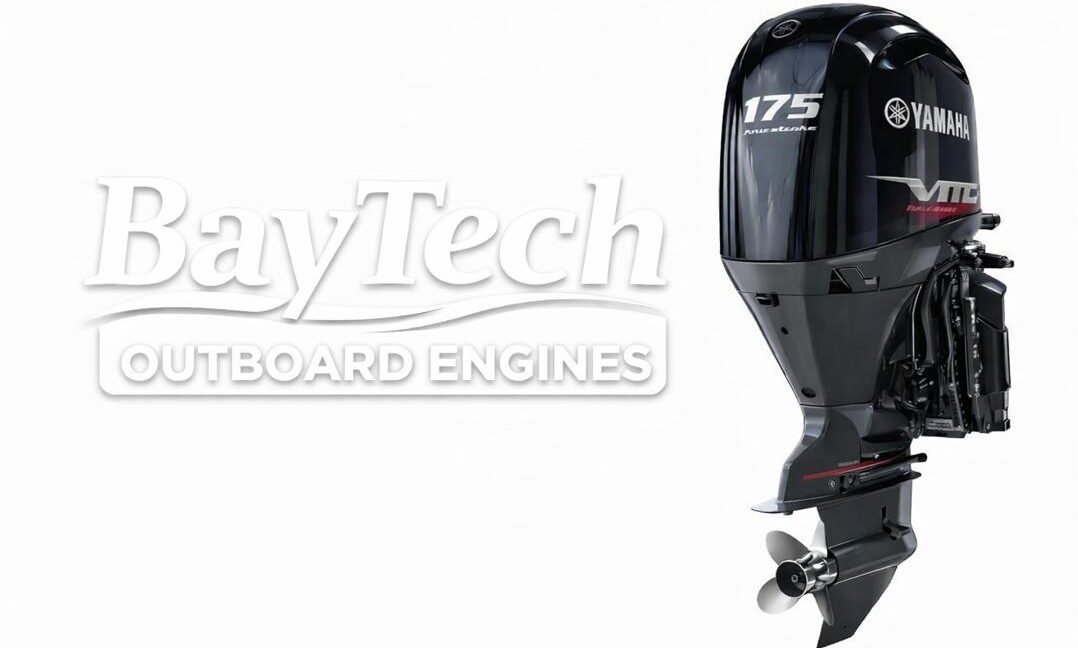

Understanding Outboard Motors
Outboard motors are essential for powering a variety of watercraft, from small fishing boats to larger recreational vessels. These versatile engines are mounted externally at the rear of the boat, providing propulsion and steering capabilities. The basic components of outboard motors include the engine, propeller, and mounting system, each playing a crucial role in ensuring efficient operation.
The engine of an outboard motor can be categorized primarily into two types: two-stroke and four-stroke engines. Two-stroke engines are generally lighter and have fewer moving parts, making them simpler and more compact. They operate by completing a power cycle in two strokes of the piston, thus providing high power output relative to size. However, despite their performance advantages, two-stroke engines often produce more emissions and consume more fuel compared to their four-stroke counterparts.
On the other hand, four-stroke engines are more complex, utilizing a sequence of four strokes to complete one power cycle. This design leads to better fuel efficiency and lower emissions, making them the preferred choice for environmentally conscious boaters. However, they tend to be heavier and more expensive than two-stroke engines. Understanding the differences between these two types of engines is critical for boaters when selecting the right outboard motor for their specific needs.
In addition to engine type, other factors such as horsepower, weight, and specific use-case scenarios also influence the choice of outboard motors. Knowing the significance of these components and their performance characteristics is crucial for anyone looking to engage in marine activities. A thorough understanding empowers boaters to make informed decisions, optimizing both performance and sustainability on the water.
Top Outboard Motor Brands in 2023
As we explore the landscape of outboard motors in 2023, several brands have firmly established themselves as leaders in the market. Among these, Yamaha, Honda, Suzuki, and Mercury consistently emerge as top contenders, each offering distinctive features and a vast array of products tailored to various boating needs.
Yamaha has long been recognized for its commitment to quality and performance. Their outboard motors are lauded for their innovative engineering and fuel efficiency, making them a preferred choice among both recreational and commercial boaters. Customers frequently highlight Yamaha’s reliability and support, which has earned the brand several accolades in the marine industry.
Honda is another heavyweight in the outboard motor arena, known for its efficient four-stroke technology. The brand’s motors are celebrated for their quiet operation and environmentally friendly features, aligning with the growing demand for sustainability in boating. Honda’s engineering excellence is reflected in its customer reviews, often mentioning durability and ease of maintenance.
Suzuki has gained a reputation for producing lightweight engines that do not compromise on power. Their outboard motors feature advanced technologies such as the lean burn control system that optimizes fuel consumption. Customer feedback often highlights Suzuki’s affordability paired with performance, making it a desirable option for budget-conscious boaters seeking quality.
Mercury stands out with its robust range of high-performance motors, appealing particularly to speed enthusiasts. Their Verado series, known for its supercharged engines, delivers exceptional speed and torque. Mercury’s dedication to innovation is evident in their focus on developing quieter engines with lower emissions, earning them praise within the boating community.
In examining the landscape of outboard motors, it’s clear that each of these brands has carved out a niche defined by unique strengths and innovations. Their respective successes are backed by solid customer reviews reflecting reliability and performance, making them invaluable choices for consumers looking for quality outboard motors in 2023.
Key Features to Consider When Choosing an Outboard Motor
When selecting an outboard motor, several key features must be thoughtfully considered to ensure the motor meets your specific boating needs. The first and perhaps most significant factor is the motor’s horsepower rating. Horsepower directly correlates with the performance of the vessel; choosing an appropriate rating is crucial for achieving optimal speed and handling. Generally, larger boats necessitate motors with higher horsepower, while smaller crafts can operate efficiently with less.
Fuel efficiency is another critical feature when evaluating outboard motors. High-efficiency models can lead to substantial savings in fuel costs over time, especially for individuals who frequently use their boats. It is essential to look for motors that boast lower fuel consumption rates, which can enhance both economical and ecological considerations.
Weight considerations cannot be overlooked either. The weight of the outboard motor affects the overall balance and handling of the boat. A lightweight motor can improve maneuverability and efficiency, contributing to a better overall boating experience. Furthermore, ensuring that your boat can adequately support the weight of the chosen motor is crucial for safety and performance.
Maintenance requirements also play a vital role in the decision-making process. Outboard motors vary in their need for regular upkeep, with some requiring more frequent maintenance than others. Understanding the maintenance demands of a motor can save you time and money in the long run.
Lastly, consider warranty and customer service options offered by the manufacturer. A robust warranty not only provides peace of mind but also indicates the manufacturer’s confidence in their product. Customer service quality can significantly impact your experience, making it essential to choose a brand known for reliable support.
Maintenance Tips for Outboard Motors
Proper maintenance is essential for ensuring the longevity and optimal performance of outboard motors. Routine maintenance tasks, such as oil changes, help to preserve the internal components and prevent wear and tear. It is recommended to check and replace the motor oil at least once every 100 hours of use or annually, whichever comes first. Always use the oil type specified in the owner’s manual to ensure compatibility and efficiency.
Another critical maintenance task involves inspection of the propeller. Regularly check for damage or debris that can impact performance. A dented or chipped propeller can decrease efficiency and lead to further mechanical issues. Additionally, ensure that the propeller’s shear pin is intact, replacing it as necessary to maintain safe and reliable operation.
Winterization is particularly important for outboard motors that will be stored during colder months. This process typically involves draining fuel lines, stabilizing fuel, and adding antifreeze to the cooling system. It is also advisable to remove the battery for charging and storage in a dry location. Proper winterization not only protects the motor from cold weather but also helps to facilitate a smoother start when the boating season resumes.
Furthermore, troubleshooting common issues can save motor owners time and expense. If the outboard motor experiences starting difficulties, first check for fuel supply and the condition of the spark plugs. Corroded or dirty spark plugs can impede engine performance. For overheating issues, verify that the cooling system is free from blockages. Regular checks and timely resolutions of these minor problems can prevent serious damage and prolong the lifespan of the motor.
By adhering to a consistent maintenance plan, owners can significantly extend the life of their outboard motors, ensuring a reliable and enjoyable boating experience.
