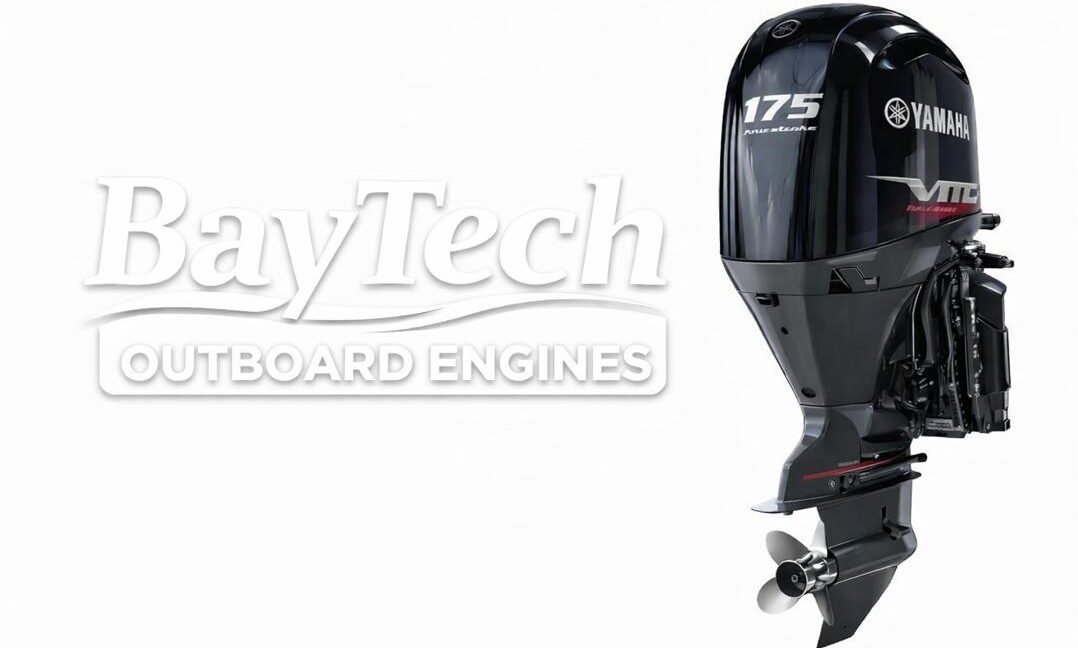

Overview of Boat Engine Technology in 2026
The landscape of boat engine technology is rapidly evolving, particularly as we approach 2026. Significant advancements are anticipated, driven by the need for more efficient fuel systems, the integration of hybrid and electric engines, and innovations aimed at reducing greenhouse gas emissions. These developments will mark a pivotal shift in the boat engine market, emphasizing sustainability and efficiency.
One of the foremost trends expected in 2026 is the transition to cleaner fuel systems. Manufacturers are exploring technologies that optimize combustion efficiency, which not only enhances performance but also minimizes environmental impact. This shift is largely influenced by regulatory pressures and consumer demand for more sustainable boating options. Furthermore, the advancement of fuel injection systems and turbocharging in internal combustion engines promises to deliver better power-to-weight ratios, effectively increasing the overall efficiency of traditional engines.
Amid these advancements, the rise of hybrid and fully electric boat engines signifies a monumental shift. Hybrid systems, which combine conventional engines with electric propulsion, offer an effective balance of power and sustainability, appealing to environmentally conscious boaters. Additionally, fully electric engines are gaining traction as battery technology improves, providing the potential for longer range and quicker charging times, making them more viable for a wider range of boating activities. The proliferation of charging infrastructure in marinas is also anticipated to support this shift.
Finally, carbon footprint reduction remains a crucial focus in boat engine technology. Innovations such as advanced materials that reduce weight, and next-generation exhaust systems designed to minimize emissions, reflect industry efforts to address environmental concerns. In conclusion, the advancements in boat engine technology expected in 2026 reflect a significant trend toward efficiency and sustainability, shaping the future of marine propulsion.
Top Engine Brands and Models for 2026
As we look ahead to 2026, several brands have emerged as leaders in the boat engine market, each bringing innovative technology and reliability to ensure high-performance experiences on the water. Among these, Mercury Marine, Yamaha, and Honda stand out due to their long-standing reputations and advanced engineering.
Mercury Marine continues to be a front-runner, particularly with its Verado series. The Verado 400, for instance, offers remarkable power and efficiency, featuring a supercharged 6-cylinder engine that delivers a top speed of approximately 60 knots. This model is lauded for its exceptional acceleration and quiet operation, thanks to its advanced sound-dampening technologies, making it ideal for both recreational and competitive boating.
Yamaha, a trusted name in the marine industry, has also unveiled the F425, which boasts a powerful 4.2-liter engine designed for robust performance and durability. Its lightweight design provides a competitive edge, improving fuel efficiency while maintaining impressive torque. This engine is particularly favored for larger vessels due to its reliability during prolonged use in diverse marine environments.
Honda Marine, though less prominent, introduces the BF250, a versatile outboard engine that combines power with eco-friendliness. Notably, it meets stringent emission regulations without compromising performance. The BF250 is recognized for its low noise levels and smooth operation, making it a popular choice for recreational boaters who prioritize a serene experience on the water.
In conclusion, the top boat engine brands for 2026 not only reflect industry innovations but also demonstrate a commitment to performance and sustainability. Each model discussed here provides unique advantages, catering to the varying needs of boaters, whether they seek speed, efficiency, or reliability on the water.
Factors to Consider When Choosing a Boat Engine
Selecting the right boat engine is a pivotal decision that impacts performance, functionality, and satisfaction. There are several critical aspects to consider when navigating this choice in 2026.
First and foremost, engine size plays an essential role in determining how well a boat performs. The size of the engine should be compatible with the boat’s dimensions and weight, ensuring optimal propulsion and maneuverability. A well-sized engine not only enhances performance but can also extend the lifespan of the engine itself, preventing unnecessary wear and tear.
Next, it is vital to assess your power needs. The required horsepower will depend on various factors, including the intended use of the boat, whether for leisurely cruising or high-speed performance. Evaluating these needs against the engine’s specifications allows for a better match that can handle the boat’s weight and the water conditions it will encounter.
Fuel efficiency is another significant consideration. Given the rising fuel prices, choosing an engine that conserves fuel can lead to substantial savings over time. Newer technologies often provide more fuel-efficient engines that meet the demands of performance without sacrificing economy, making it a wise choice for both environmental and financial reasons.
Furthermore, longevity and maintenance requirements must not be overlooked. An engine should not only be reliable and durable but also easy to maintain. Understanding the manufacturer’s recommendations for routine maintenance can greatly influence the total cost of ownership.
Finally, achieving a balance between performance and budget is crucial. A higher initial investment may yield better performance and longevity, while a cheaper engine might suffice for those with lighter needs. Therefore, thorough research and assessments of these factors will lead to an informed decision when selecting a boat engine in 2026.
Future Trends and Innovations in Boat Engines
The future of boat engines is poised for profound transformation, driven by advancements in technology as well as increasing regulatory challenges. One of the most significant trends is the development of alternative fuel technologies. With a growing emphasis on environmental sustainability, manufacturers are exploring hybrid systems that combine traditional gasoline engines with electric motors. This shift not only reduces emissions but also enhances fuel efficiency, enabling longer voyages with reduced environmental impact.
Furthermore, innovations in battery technology are paving the way for fully electric propulsion systems. Emerging battery solutions promise faster charging times and improved energy density, which can extend operational ranges significantly. Major advancements in renewable energy sources, such as solar-powered engines, are also being investigated, aiming to further decrease reliance on fossil fuels. These innovations are expected to redefine boating experiences while aligning with global sustainability goals.
Another critical area of advancement is automation and smart features integrated into boat engines. The rise of the Internet of Things (IoT) means that boat owners can expect engines equipped with advanced monitoring systems. These systems can provide real-time diagnostics, predictive maintenance alerts, and fuel consumption analytics, ensuring optimal performance and reducing downtime. Moreover, autonomous navigation systems are becoming increasingly sophisticated, potentially allowing vessels to operate with minimal human intervention.
As technological capabilities advance, regulatory environments will become more stringent, pushing manufacturers to design engines that comply with new emission standards. This trend toward regulation-driven innovation will likely result in enhanced engine efficiency and alternative technologies being prioritized. By embracing these trends, the boating industry is setting the stage for a future that champions both innovation and environmental responsibility.
