Understanding Boat Engine Types
Boat engines come in various types, each designed for specific uses and offering unique characteristics. The primary types of boat engines include outboard, inboard, sterndrive, and electric engines, and each serves distinct applications in the boating industry.
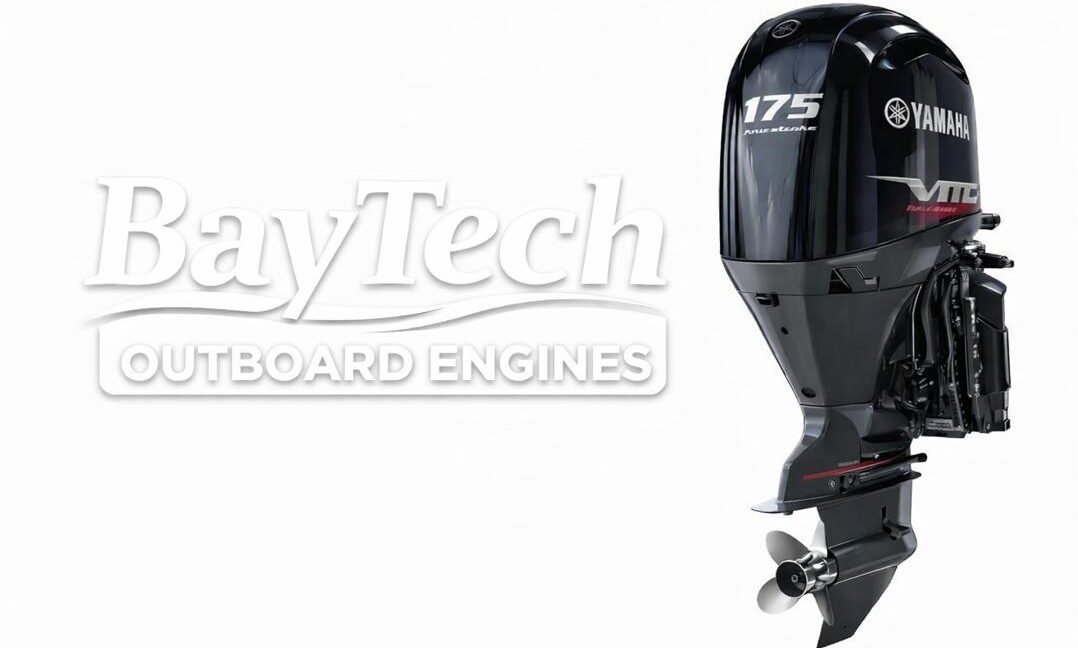
Outboard engines are commonly mounted on the rear of the boat and can be easily removed or replaced. These engines typically come in various horsepower ratings, making them versatile for smaller boats such as fishing vessels and recreational crafts. Their advantage lies in their lightweight design and easy maintenance, though they may offer less power for larger vessels.
In contrast, inboard engines are installed within the hull of the boat. They are known for their durability and higher power output, making them suitable for larger boats and yachts. Inboard motors often provide better fuel economy and handling, particularly at high speeds, but they can be more challenging to access for maintenance and repairs.
Sterndrive engines combine features of outboard and inboard engines. Located within the boat’s hull yet propelling the vessel from the transom, sterndrives offer the best of both worlds. These engines generally deliver improved speed and agility on the water, although they can come with a higher initial cost and require specialized maintenance.
Finally, electric engines are becoming increasingly popular due to their environmental benefits and reduced noise levels. Operating with batteries, they are suitable for short trips and quiet lakeside cruising. However, their range and power may be limited compared to traditional gasoline engines.
Evaluating these diverse types of boat engines enables prospective boat owners to make informed decisions that align with their intended use and preferences, ensuring a suitable choice for their maritime adventures.
Criteria for Choosing the Right Boat Engine
Selecting the appropriate boat engine is a crucial decision that can significantly impact your overall boating experience. Several factors must be carefully considered to ensure optimal performance and reliability throughout your voyages.
Firstly, size and weight are essential considerations. The engine’s physical dimensions should match the boat’s specifications, as an engine that is too heavy or too large can affect the vessel’s balance and handling. It is important to consult the boat manufacturer’s guidelines regarding the maximum allowable engine weight to maintain safety and performance.
Fuel efficiency is another critical factor. Engines that provide better fuel economy allow for longer journeys without frequent refueling, optimizing operational costs. When choosing a boat engine, look for models that offer advanced technologies, such as direct fuel injection or variable valve timing, which can enhance fuel efficiency without compromising power.
Power and torque are fundamental characteristics that determine an engine’s performance. Power needs will vary depending on the intended use of the boat—whether for leisurely cruising, fishing, or high-speed recreational activities. Torque is equally vital as it influences the vessel’s acceleration and ability to navigate rough waters. An ideal engine should provide the right power-to-weight ratio to match your boating style.
Maintenance requirements also warrant attention. Certain motors require more frequent service and parts replacement, which can lead to higher long-term costs. It is prudent to select engines that come from reputable manufacturers known for reliability and ease of maintenance.
Lastly, be aware of any regulatory considerations that apply to your region, as some areas have regulations regarding engine emissions and noise levels. Ensuring compliance with local laws not only promotes environmental responsibility but also avoids potential fines.
Review of the Top 5 Boat Engines
This section provides an extensive examination of the leading boat engines available on the market today. The focus will be on five specific models, each known for their performance and reliability. The models analyzed include the Yamaha F350, Mercury Verado 350, Suzuki DF350A, Honda BF250, and Evinrude E-TEC G2.
The Yamaha F350 is a powerful outboard engine that offers an unparalleled balance of torque and top-end speed. With a maximum output of 350 horsepower, this engine is built with reliability in mind, featuring a lightweight design that enhances fuel efficiency. Customer feedback often highlights its quiet operation and smooth acceleration, making it a preferred choice for both leisure and commercial applications.
Next, we have the Mercury Verado 350, known for its advanced technology. This model features SmartCraft instruments that provide real-time data to users. It is designed for durability and efficiency, with a supercharger that enhances power output across the rev range. Users frequently praise its responsiveness and excellent handling on the water, affirming its suitability for competitive and recreational boating.
Moving to the Suzuki DF350A, this engine stands out with its dual propeller system, which significantly increases thrust and control. It boasts a robust construction and an easy maintenance approach, ensuring long-lasting performance. Customer reviews often mention its quiet operation and impressive fuel economy as standout features.
The Honda BF250 engine has carved a niche for itself with eco-friendliness and efficiency. Its innovative technology reduces emissions while providing an impressive output, making it an excellent choice for environmentally conscious boaters. Many users commend its reliability and ease of use, reaffirming Honda’s reputation for quality in the boating world.
Lastly, the Evinrude E-TEC G2 offers unmatched versatility with customizable options and efficient fuel consumption. Its direct fuel injection technology contributes to low emissions and responsive performance. Customer reviews often reflect satisfaction with its innovative features and reliability, making it a popular choice among enthusiasts.
Tips for Maintaining Your Boat Engine
Maintaining your boat engine is crucial for ensuring reliability and prolonging its lifespan. Regular inspections play a vital role in identifying potential issues early. Boat owners should strive to examine their engines at least once before the boating season begins, checking for leaks, corrosion, and any visible damage. Additionally, ensuring that all connections are secure and inspecting belts and hoses for wear can prevent breakdowns while out on the water.
Another significant aspect of boat engine maintenance is performing regular oil changes. Engine oil degrades over time and can lead to increased friction and wear on the engine components. It is recommended to change the oil at least once a year or after a specific number of running hours as indicated in the engine’s manual. This process typically includes replacing the oil filter as well, which helps keep the engine clean and functioning efficiently.
Fuel system maintenance also deserves attention, as contaminated fuel can adversely affect engine performance. Boat owners should consider using fuel stabilizers to prevent the fuel from deteriorating, especially if the boat will not be used for an extended period. Regularly checking fuel filters for clogs and replacing them when necessary can also ensure a smooth operation and mitigate risks of fuel starvation.
Finally, winterization procedures are essential for those in colder climates. Properly preparing a boat engine for winter storage can help prevent serious damage due to freezing temperatures. This typically includes draining the fuel system, adding antifreeze, and lubricating parts to prevent corrosion. By adhering to these essential maintenance tips, boat owners can ensure that their engines not only perform well but also last for many seasons to come.
